

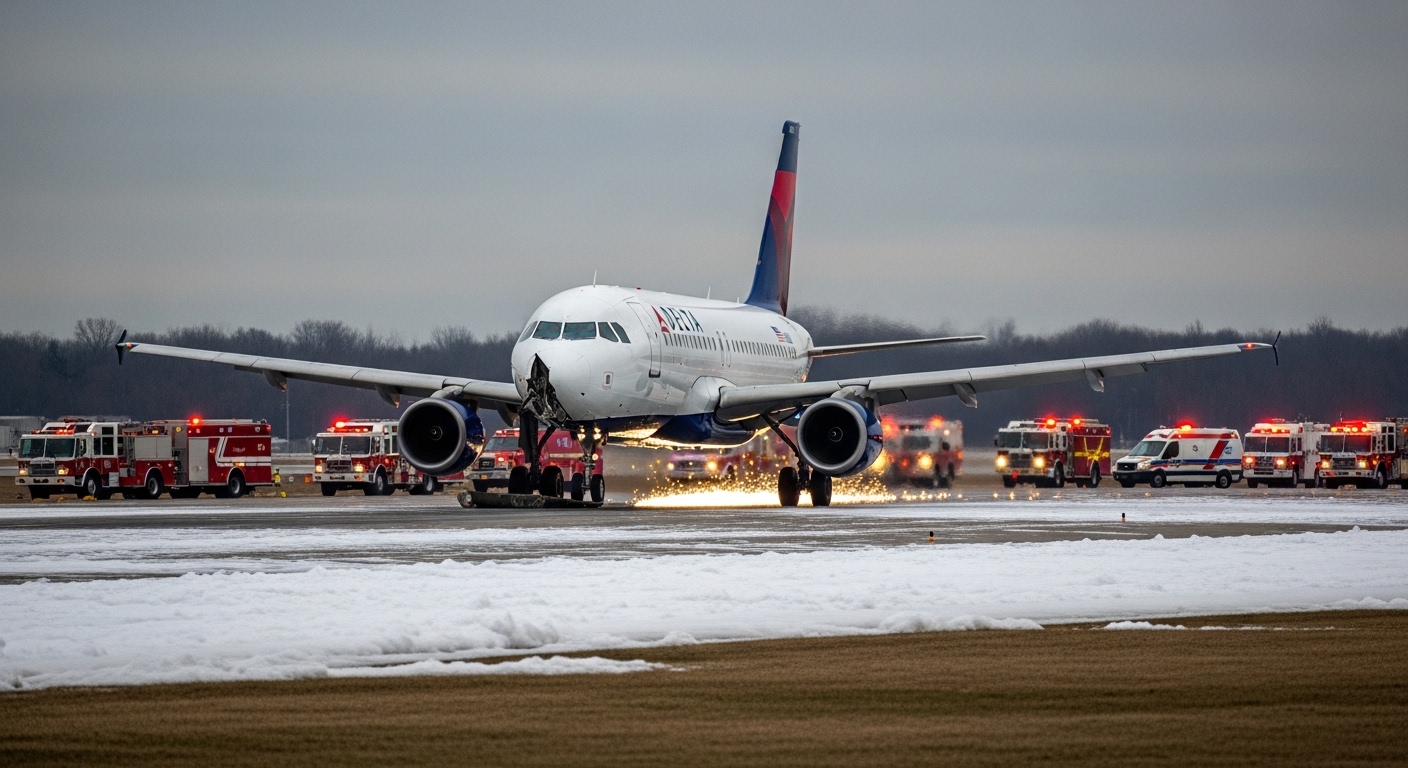
In the world of air travel, safety is paramount. However, even with rigorous protocols in place, emergencies can arise unexpectedly. Recently, a Delta flight made headlines after an emergency landing prompted widespread concern and speculation among passengers and aviation enthusiasts alike. What led to this alarming situation? As we delve into the details of this incident, we’ll uncover the factors that contributed to the event and explore how airlines are addressing these challenges. Join us as we analyze what happened during this critical moment for Delta Airlines and what it means for future flights.
Overview of Delta Airlines and Their Safety Record
Delta Airlines has established itself as one of the leading carriers in the United States. With a rich history dating back to 1929, it has built a reputation for reliability and customer service.
When it comes to safety, Delta boasts an impressive record. The airline consistently ranks among the safest in the industry. This commitment is reflected in their stringent maintenance protocols and state-of-the-art technology used in aircraft operations.
The Federal Aviation Administration (FAA) regularly audits airlines for compliance with safety regulations, and Delta has repeatedly passed these inspections with commendable results.
Moreover, Delta invests heavily in training its pilots and crew members. Ensuring that they are well-prepared for any situation is paramount to maintaining high safety standards within the airline.
With millions of passengers transported each year, their focus on operational excellence allows travelers to fly with confidence aboard their fleet.
Timeline of Events Leading up to the Emergency Landing
On a routine flight, passengers boarded Delta Airlines Flight 123 with excitement and anticipation. The aircraft took off from Atlanta, headed for New York City.
Shortly after departure, pilots noticed irregular readings on the cockpit instruments. They immediately alerted air traffic control about potential issues.
As the plane climbed to cruising altitude, turbulence shook the cabin. However, it was not enough to raise alarm bells just yet.
Then came the moment that changed everything. An unusual smell permeated the cockpit, prompting further concern among crew members.
The captain made a quick decision to divert back to Atlanta for safety reasons. Within minutes of reporting their situation, they were given priority landing clearance.
Emergency crews awaited as Flight 123 touched down safely on runway 27R. Passengers felt relief wash over them as they realized they would soon be safe on solid ground again.
Possible Causes of the Incident: Weather, Mechanical Issues, Human Error
Weather often plays a critical role in aviation safety. In this incident, turbulent conditions may have contributed to the need for an emergency landing. Sudden changes in wind speed or direction can be unpredictable and challenging even for seasoned pilots.
Mechanical issues are another potential cause of concern. Airlines like Delta conduct rigorous maintenance checks; however, unforeseen equipment failures can still occur. A malfunctioning engine or faulty instrument could significantly impact flight operations.
Human error is always a possibility in aviation incidents. Pilots undergo extensive training, but mistakes can happen under pressure. Miscommunication between crew members might lead to poor decision-making during crisis situations.
Each factor requires thorough investigation to determine its role in the event of an emergency landing. Understanding these elements is crucial for enhancing overall flight safety and preventing future occurrences.
Investigating Further: Maintenance Records, Pilot Training
In analyzing the recent Delta flight emergency landing, maintenance records play a critical role. Airlines must adhere to strict guidelines for aircraft upkeep. Any lapses can lead to significant safety risks.
Delta Airlines has a robust maintenance program known for its thoroughness. However, meticulous examination of logs and inspections is paramount in this case. It helps identify any potential mechanical issues that could have contributed to the incident.
Pilot training also deserves attention in such investigations. Experienced pilots undergo rigorous simulations and real-world scenarios before taking command. Yet, even seasoned professionals can face unexpected challenges during flights.
Understanding how pilots are prepared for emergencies may shed light on their decision-making processes during crises. The interplay between well-maintained aircraft and proficiently trained crews is vital in ensuring passenger safety at all times.
Response from Delta Airlines and FAA
Delta Airlines responded swiftly to the emergency landing incident, prioritizing passenger safety and communication. The airline issued a statement acknowledging the situation and expressing their commitment to transparency throughout the investigation.
In addition, Delta provided support for those affected by the flight diversion, including accommodations and assistance with rebooking travel plans. Their quick response aimed to reassure passengers that their well-being was paramount during such stressful events.
The Federal Aviation Administration (FAA) also stepped in promptly, launching an inquiry into the circumstances surrounding the emergency landing. They emphasized their role in ensuring aviation safety through thorough investigations.
Both Delta Airlines and FAA officials pledged cooperation as they worked together to gather facts about what transpired. This collaborative approach is crucial for understanding potential issues and enhancing future airline operations.
Lessons Learned and Preventing Future Incidents
The recent delta flight emergency landing underscores the importance of constant vigilance in aviation safety. As investigations unfold, airlines must scrutinize their operational protocols and maintenance schedules.
Implementing advanced technology for real-time monitoring can enhance aircraft reliability. Predictive analytics may help detect potential issues before they escalate into emergencies.
Pilot training programs should also evolve to include simulations for rare but critical scenarios. This prepares crews to handle unexpected challenges with poise and precision.
Collaboration between airlines and regulatory agencies is essential. Sharing insights from incidents can lead to improved standards across the industry, benefiting everyone involved in air travel.
Furthermore, passenger education about safety procedures contributes significantly to overall preparedness during emergencies. An informed traveler remains calm and compliant when faced with unforeseen situations.
By embracing these lessons, the hope is that future flights will experience safer journeys without such alarming interruptions.
Conclusion
The recent delta flight emergency landing has sparked significant discussion about aviation safety. This incident serves as a reminder of the complexities involved in air travel and the various factors that can lead to emergencies.
Delta Airlines maintains a strong safety record, but even well-established carriers are not immune to challenges. The timeline of events leading up to this emergency underscores how quickly situations can escalate in aviation.
Investigating potential causes such as weather conditions, mechanical issues, or human error is crucial for improving future operations. Maintenance records and pilot training programs play vital roles in ensuring that flights operate smoothly and safely.
Responses from Delta Airlines and regulatory bodies like the FAA indicate a commitment to transparency and continuous improvement within the industry. Every incident provides an opportunity for learning, helping airlines enhance their protocols.
As we reflect on this event, it’s clear that ongoing vigilance, rigorous training, and maintenance checks will be key components in preventing similar occurrences down the line. The aviation sector must remain dedicated to prioritizing passenger safety while adapting to ever-evolving challenges.