

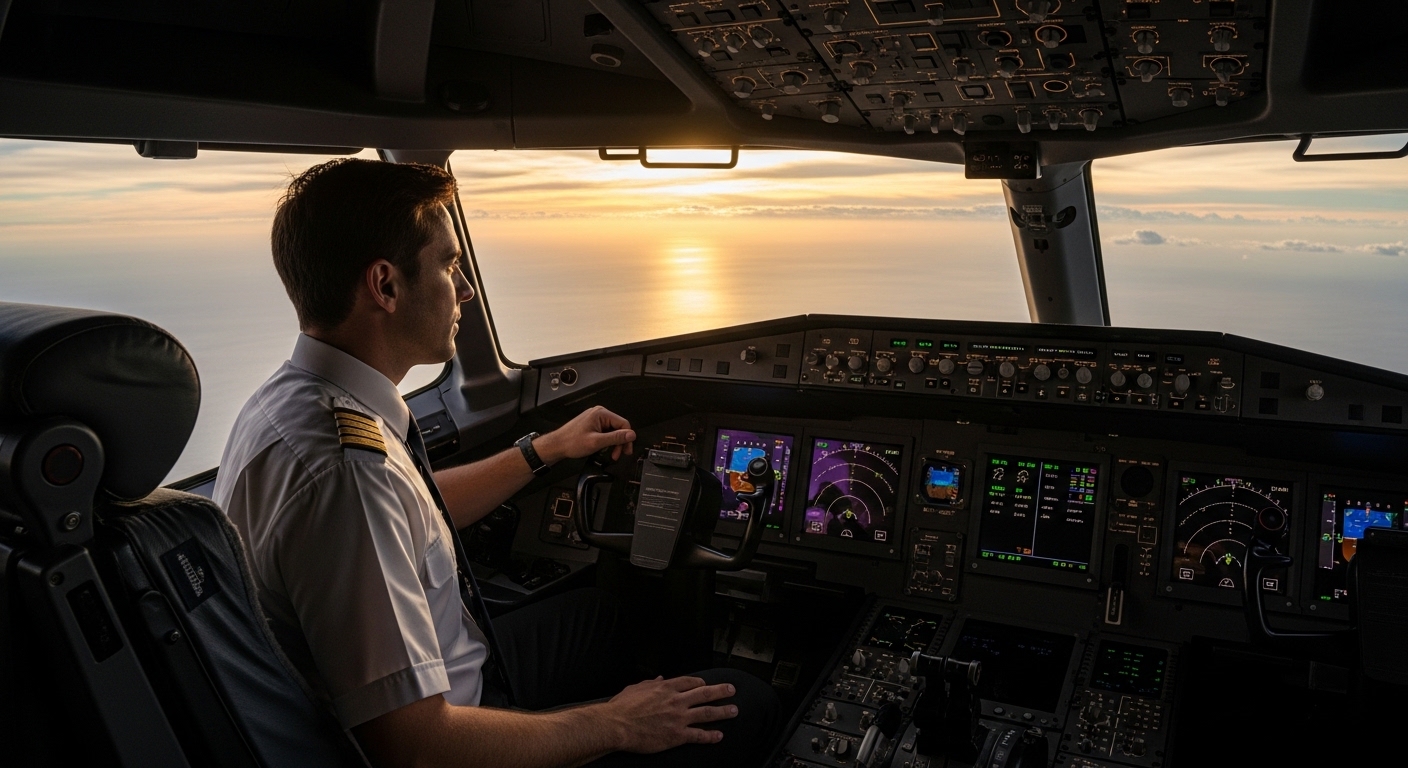
Imagine soaring high above the clouds, surrounded by an endless sea of blue. The world below shrinks as you navigate your way through vast skies. This is just a glimpse into the extraordinary life of a Lufthansa flight pilot. With its reputation for excellence and safety, Lufthansa Airlines stands out among international carriers. Pilots at this prestigious airline don’t merely fly planes; they embark on thrilling adventures that connect people across continents.
But what does a day in their life really look like? From rigorous training to navigating turbulence during flights, every moment is filled with responsibility and excitement. Join us as we take you behind the cockpit door to explore the daily routine of those who keep our skies safe and ensure passengers reach their destinations smoothly.
The Training and Qualifications of a Lufthansa Flight Pilot
Becoming a Lufthansa flight pilot demands rigorous training and exceptional qualifications. Aspiring pilots typically start with a solid educational background, often holding at least a high school diploma or equivalent.
Next comes specialized flight training. Many choose to enroll in an aviation academy or university program that offers comprehensive courses in aeronautics, navigation, and meteorology.
After completing their education, candidates must acquire the necessary licenses. The most crucial is the Airline Transport Pilot License (ATPL), which requires extensive flying hours and passing demanding exams.
Additionally, Lufthansa emphasizes language proficiency. English fluency is essential since it’s the international language of aviation.
Once hired, new pilots undergo further company-specific training. They familiarize themselves with airline protocols and aircraft systems before they can fly as part of a crew on actual flights. This process ensures safety and consistency across all operations at Lufthansa Airlines.
Pre-Flight Preparations
Before the engines roar to life, a Lufthansa flight pilot undertakes meticulous pre-flight preparations. The day often begins with a comprehensive briefing that includes weather updates, route specifics, and any potential challenges.
Pilots examine the aircraft’s technical logs, ensuring everything is in perfect order. They review maintenance checks and confirm that all safety gear is operational. This attention to detail cannot be overstated.
Communication plays a crucial role here. A quick meeting with the co-pilot establishes teamwork dynamics and clarifies roles during the flight. It lays down a foundation for effective collaboration when it counts.
Pilots conduct walk-around inspections of the aircraft exterior. Checking flaps, tires, and fuel levels ensures nothing escapes their keen observation before takeoff. Every small step contributes to guaranteeing passenger safety and comfort throughout their journey.
Takeoff and the Role of the Co-Pilot
As the aircraft prepares for takeoff, excitement fills the cockpit. The pilot and co-pilot work in seamless harmony, each knowing their role is vital to a successful departure.
The co-pilot’s responsibilities are extensive. They conduct final checks on instruments, ensuring everything functions perfectly. Communication with air traffic control is crucial at this stage as well. Clear instructions guide them through the busy airport environment.
Once cleared for takeoff, the tension shifts into determination. The co-pilot assists in monitoring speed and altitude during this critical phase. Their eyes are glued to various screens displaying real-time data.
Coordination is key when it comes to thrust adjustments and flap settings. Each decision made together can set the tone for a smooth flight ahead. Trust between pilots grows stronger with every takeoff they experience side by side.
This partnership reflects years of training and preparation, showcasing teamwork at its finest in aviation.
Flying at High Altitudes and Dealing with Turbulence
Flying at high altitudes is both exhilarating and challenging for a Lufthansa flight pilot. Aircraft typically cruise between 30,000 to 40,000 feet, where the air is thinner and temperatures plummet. This altitude offers breathtaking views of the clouds below and the vast blue sky.
Turbulence can strike unexpectedly during flights. It’s often caused by atmospheric changes or proximity to mountains. Pilots are trained to anticipate these shifts and navigate through them safely.
When turbulence hits, communication becomes key. The captain and co-pilot work together seamlessly. They monitor instruments closely while keeping passengers informed about what to expect.
The feeling of movement can be unsettling for some travelers; hence maintaining calm in the cockpit is crucial. Managing turbulence requires skill, experience, and quick decision-making—qualities that define a dedicated Lufthansa flight pilot’s day-to-day life in the skies.
In-Flight Duties and Responsibilities
Once airborne, the duties of a Lufthansa flight pilot shift into high gear. Communication is key. Pilots continuously interact with air traffic control, ensuring safe navigation through busy skies.
Monitoring instruments becomes second nature. Each gauge provides vital information about altitude, speed, and fuel levels. A keen eye ensures everything operates smoothly.
Another crucial role involves overseeing cabin crew operations. From passenger safety to service quality, pilots coordinate efforts to create an enjoyable experience for everyone on board.
Unexpected issues can arise at any moment. Whether it’s weather changes or mechanical concerns, quick decision-making is essential. Every choice impacts safety and comfort during the flight.
Pilots also stay engaged with their co-pilots throughout the journey. Teamwork fosters a supportive environment where each member contributes strengths to handle challenges effectively in-flight.
Landing and Post-Flight Procedures
As the aircraft descends, the cockpit fills with focused energy. The Lufthansa flight pilot communicates closely with air traffic control, ensuring a smooth approach to the runway.
With precision and calmness, they manage speed and altitude. Every detail matters in these final moments. Checklists are reviewed meticulously to confirm all systems are ready for landing.
Touchdown is met with relief—a job well done but not finished yet. The co-pilot takes over some controls as they taxi toward the gate.
Once parked, post-flight procedures begin immediately. They complete reports detailing flight performance and any anomalies encountered during the journey.
Collaboration continues with cabin crew to ensure passengers disembark safely and comfortably. A debriefing session often follows, where valuable insights about the flight can be discussed among pilots.
This stage is essential for continuous improvement in operations and safety standards at Lufthansa Airlines.
The Challenges and Rewards of Being a Lufthansa Flight Pilot
Being a Lufthansa flight pilot comes with its own set of challenges. Long hours in the cockpit can lead to fatigue, impacting focus and decision-making. Managing time zones is another hurdle; pilots often find their internal clocks disrupted.
Weather conditions add complexity too. Turbulence, storms, or unexpected changes can challenge even the most seasoned professionals. Each flight requires quick thinking and adaptability.
Yet, the rewards are immense. The thrill of takeoff never fades, and witnessing breathtaking sunrises above the clouds feels surreal every time. Connecting with people from diverse backgrounds enriches experiences.
Pilots also enjoy camaraderie among crew members, forming bonds that last beyond flights. The satisfaction of safely navigating passengers to their destinations brings an unparalleled sense of accomplishment—a job that truly soars high above ordinary careers.
Conclusion
Lufthansa Airlines stands as one of the premier airlines globally. Renowned for its exceptional service and commitment to safety, it connects passengers across continents. With over 200 destinations in more than 80 countries, flying with Lufthansa is not just about getting from point A to B—it’s an experience.
Becoming a Lufthansa flight pilot requires rigorous training and qualifications. Prospective pilots must complete extensive education, including obtaining their commercial pilot’s license (CPL) or airline transport pilot license (ATPL). This involves hundreds of hours logged in simulators and actual flights. Additionally, candidates undergo psychological evaluations to ensure they can handle high-pressure situations effectively.
Once qualified, pre-flight preparations begin early. Pilots review flight plans, weather conditions, and air traffic control updates. They check aircraft systems meticulously while coordinating with ground staff to ensure everything is ready for departure.
Takeoff marks a thrilling moment in every flight. The co-pilot plays a vital role during this phase by assisting the captain with critical checks and communicating crucial information quickly and efficiently. Both pilots work seamlessly together to execute takeoff procedures safely.
Flying at high altitudes offers unique challenges like turbulence that pilots must navigate skillfully. Understanding how weather patterns affect their route is essential for maintaining passenger comfort and ensuring safety throughout the journey.
During the flight itself, responsibilities expand beyond merely piloting the aircraft; monitoring instruments constantly becomes second nature as both pilots engage with cabin crew communication to address passenger needs promptly while keeping an eye on any developing issues up front.
Landing demands utmost precision—a culmination of all prior efforts during the flighT process! Attention shifts towards managing descent rates accurately while remaining vigilant against potential obstacles around airports or adverse weather conditions below them until touchdown occurs smoothly on runway asphalt!
Despite enjoying diverse landscapes from thousands of feet above ground level daily—the life of a Lufthansa flight pilot also includes numerous challenges such as irregular schedules affecting personal lives or long layovers away from home base—but these